

Current Projects
At the Architect Studio, we offer our clients comprehensive assistance by serving as the lead consultant and primary professional adviser, leading a skilled team of professionals across disciplines.
Our involvement extends from the initial phases, where we contribute to the conception of projects, all the way through to the preparation and submission of planning applications. We also guide and oversee the project through its entire process, supervising its successful completion so you can fully enjoy your historic building once again.
The following are some of the projects where we have been involved to advise and assist our clients realise their vision.

Grade I listed building within a conservation area. Phase 1 involved urgent repairs and interior refurbishment including insulation of the roof and a new limecrete floor with underfloor heating. Reinstating the north entrance door and external fabric repairs. Winner of a Civic Trust Award in 2025, and a Historic England's exemplar project for climate change adaptation of a historic building.
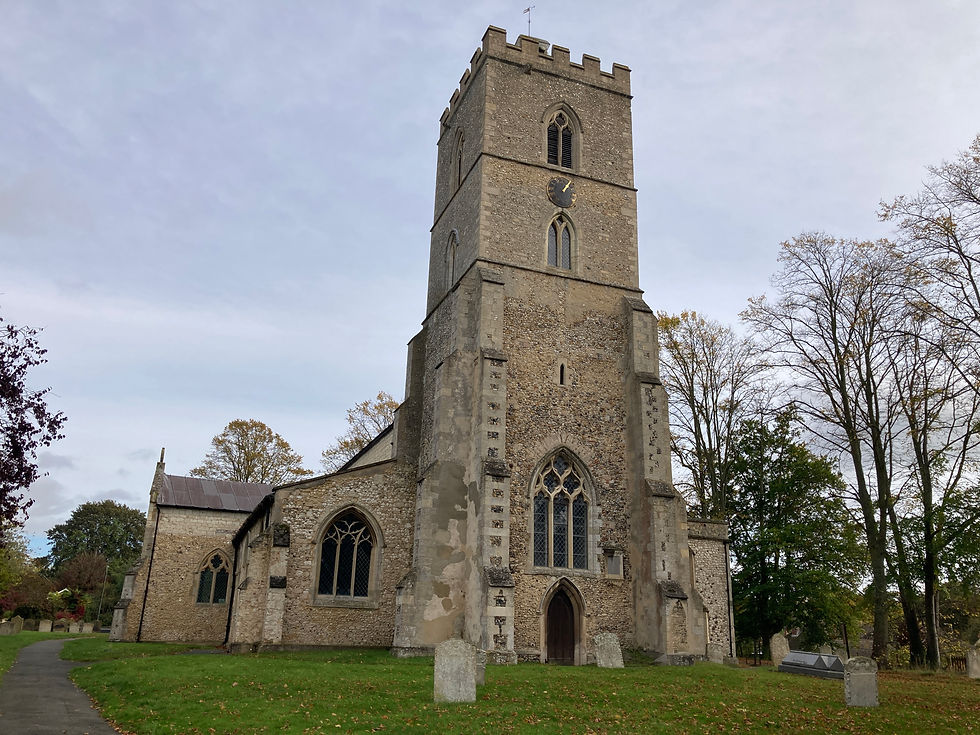
Grade II listed medieval church requiring urgent fabric repairs and a phased conservation strategy to address water ingress, safeguard significant historic fabric, and support the building’s long-term future.

Non-listed, Victorian residential property undergoing phased refurbishment and fabric repair works, including upgrades to drainage and building services, internal reconfiguration, and sensitive improvements to support modern living while retaining the character of the historic building. The project also included proposals for a new side extension under permitted development rights, for which a Certificate of Lawfulness was obtained as part of the wider feasibility and design strategy.

Grade I listed parish church requiring urgent repair and refurbishment works to address ongoing fabric deterioration and support the long-term conservation of the building. The church is included on the Heritage at Risk Register, with the project focusing on stabilisation, repair priorities, and phased conservation measures
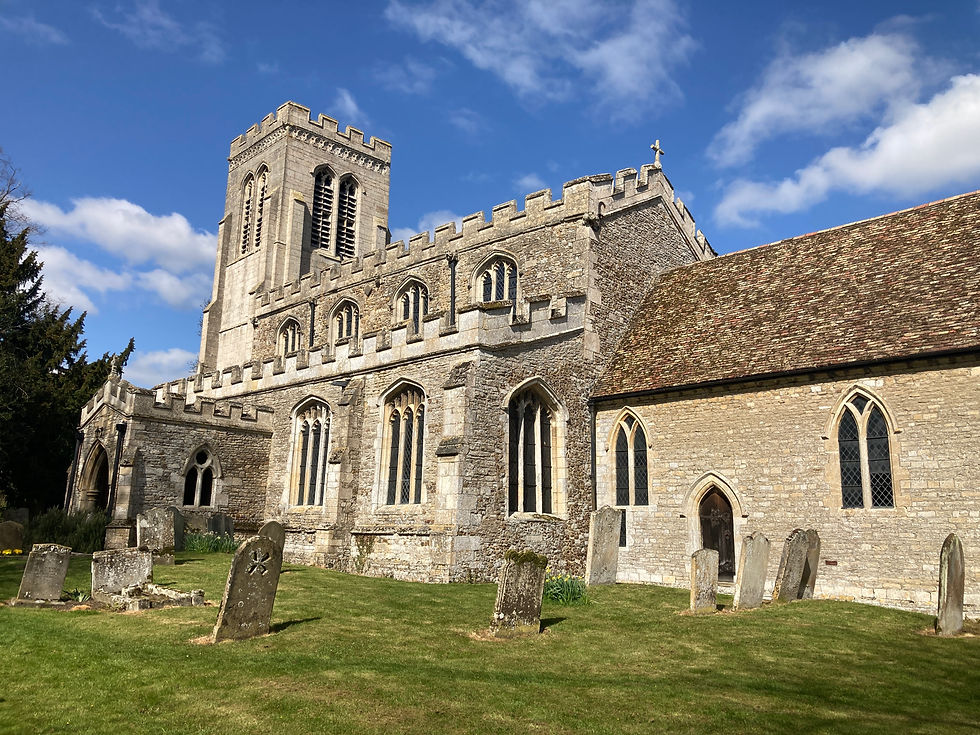
Grade II* listed parish church requiring repair and refurbishment works to address water ingress, deteriorating roof coverings, and associated fabric defects. The project includes the development of a phased conservation strategy to safeguard significant historic fabric, alongside proposals for future reordering works to improve accessibility and provide kitchen and WC facilities in support of the church’s long-term use and sustainability.

In this second phase, we have now secured planning approval and listed building consent to sensitively integrate contemporary design and modern facilities into this valuable cultural and historical asset. Becket’s Chapel demonstrates how thoughtful contemporary design can revitalise historic buildings, creating a sustainable future for our architectural heritage.

Phase 1 conservation works at Warley Place Nature Reserve, a nationally significant historic landscape on the Heritage at Risk Register, involving urgent stabilisation and repair works to a series of structures associated with the former gardens of Ellen Willmott. Working alongside Essex Wildlife Trust, the project balanced heritage conservation, ecological constraints, and public safety within a highly sensitive and evolving environment.
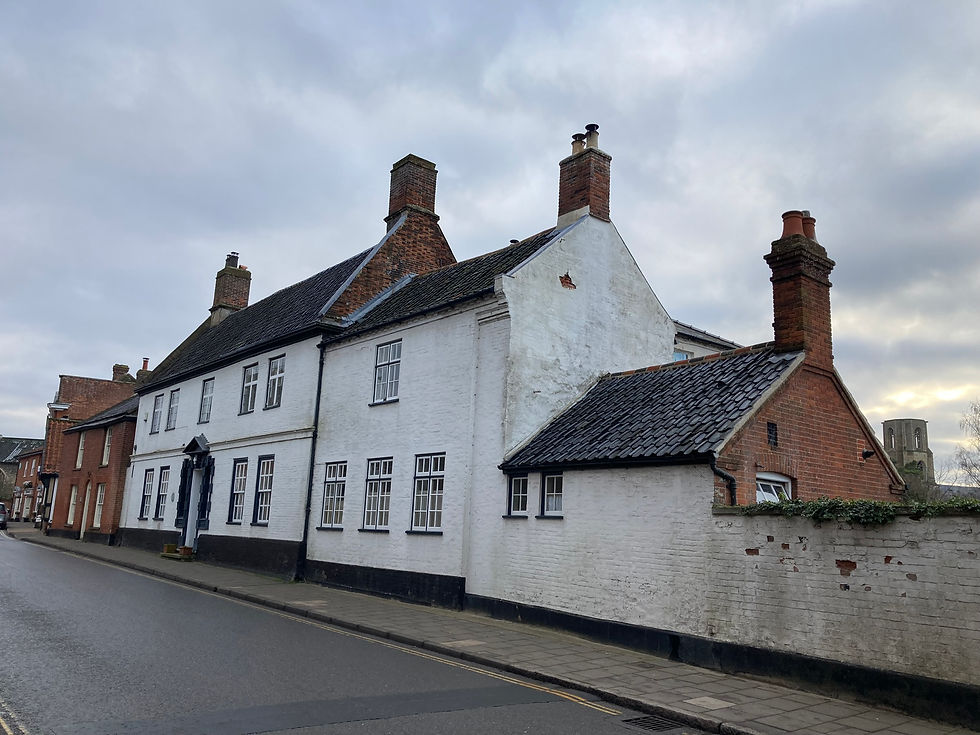
Grade II listed building in a conservation area. Sensitive repairs and internal refurbishment of this prominent property in Wymondham, to reinstate the former layout of the rooms and provide additional services to bring it up to current needs in a sympathetic manner.

Grade II listed residential property located within the Green Belt. The proposals focused on fabric repair and sensitive refurbishment, including the replacement of an existing flat roof with a new pitched gable roof to better reflect the building’s character while creating additional usable space. The scheme also included internal refurbishment works and the upgrading of building services.

Patricia, as the Inspecting Architect for this grade II* church under the St Edmundsbury and Ipswich Diocese, conducted the quinquennial inspection in early 2024. The findings highlighted numerous concerns stemming from the improper use of cement mortars, adversely impacting the internal environment of this significant Suffolk church. Patricia remains committed to advising the Parochial Church Council on the continuous maintenance required to preserve the integrity of this piece of history.

A Grade II listed property from C16/C17 century origins, used for residential purposes since its farming origins. Refurbishment plans aim to maintain residential use, reintroduce lost features like a fireplace and staircase, and enhance livable spaces. Traditional materials complement existing ones, with repairs undertaken on a like-for-like basis unless historical issues require different methods.

St. Peter Hungate, a Grade I listed building in Norwich's City Centre Conservation Area, transitioned from a church to be the first museum of ecclesiastical art in 1933, thanks to local efforts. Although it closed in 1995. The Architect Studio, commissioned by Hungate Medieval Art, a local Trust leasing the building was tasked with designing a new doorway reusing a former door opening that used to connect the church with a demolished vestry. The extension's design work is yet to be developed.
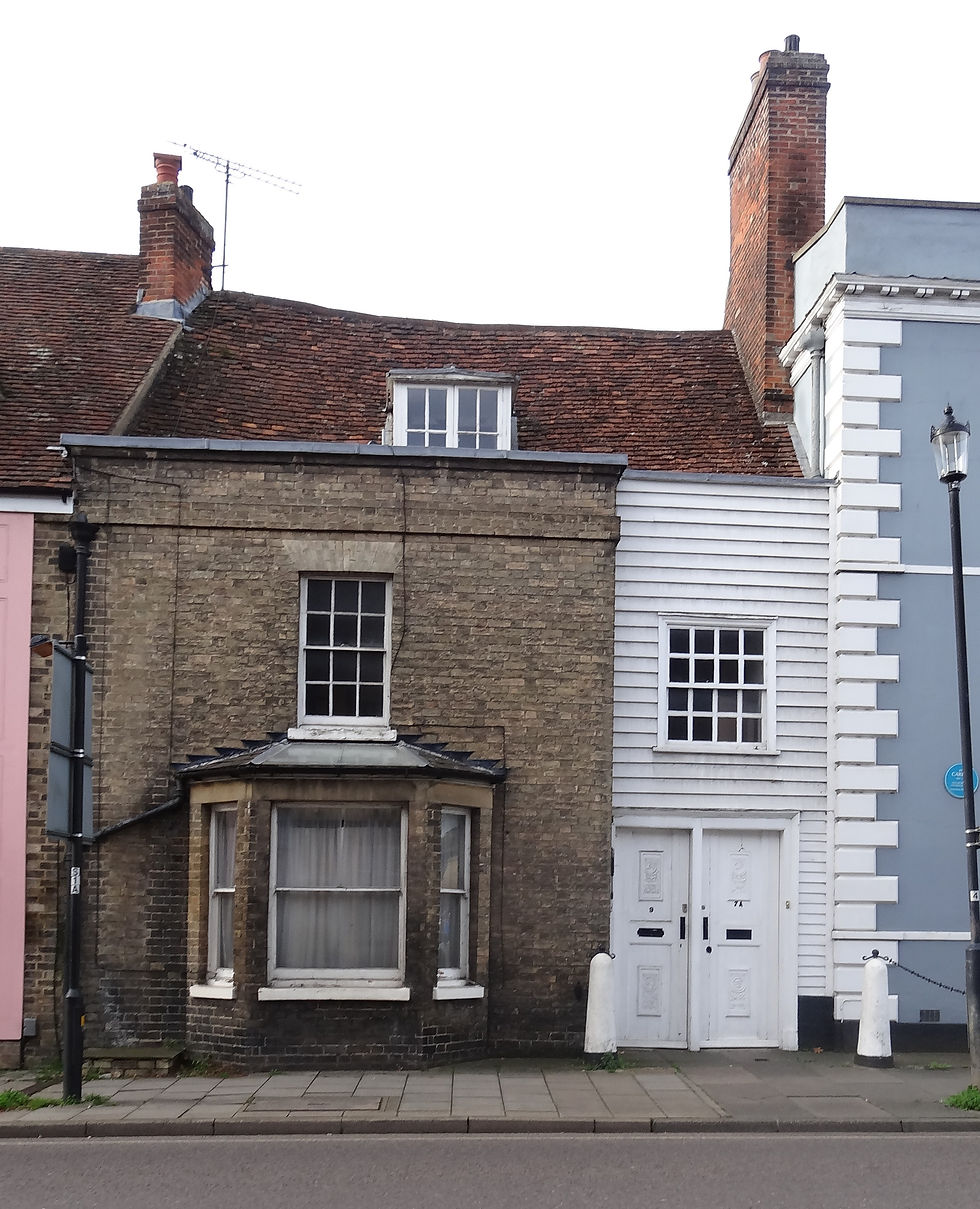
This Grade II listed residential property within the Saffron Walden Conservation Area, with a C15 origin, has predominantly served as a residence for the last 150 years. The Architect Studio was appointed to undertake historical research of the property to inform future refurbishment design work that would involve repairing the building fabric, optimising the first-floor layout, and upgrading services.

Two separate properties within the Colchester Town Centre Conservation Area, number 30 faced planning challenges due to previous work not aligning with approved permissions. The Architect Studio played a key role in negotiating with the local planning authority to address these issues. Following a successful negotiation, the client, a property investor, appointed TAS again to develop planning proposals for the rear extension of number 28, which also achieved planning permission.

St Mary is a grade II listed building, part of a Benefice with Anstey, Hormead, Meesden and Wyddial. The church is under the jurisdiction of the Diocese of St Albans. A comprehensive report, inclusive of repair and maintenance recommendations, along with estimated costs, was submitted to both the Parochial Church Council (PCC) and the Diocesan Advisory Committee (DAC). This information serves to assist in financial planning for the church's future upkeep.

As Inspecting Architect for St Stephen’s Church, Patricia carried out the quinquennial inspection in early 2022. Although not listed, the church holds considerable local significance as an inter-war building with close associations to the former RAF camp nearby. Originally constructed in the 1930s and later dedicated as a church in 1948, the building reflects both the area’s military history and the continued adaptation of modest community buildings for ecclesiastical use.